
Home Care Training For People Starting A Career In Care
A lot of people think about working in care long before they apply.
Sometimes it starts with helping a relative, or maybe it comes from wanting a job that fits around family life. Sometimes health and social care feels like the right direction, but university, nursing or a formal qualification feels like a big leap.
That is where home care training can make a real difference. It gives you a way into care without expecting you to arrive knowing everything already.
At Elite Choice Home Care, new Care Practitioners are supported to learn the practical side of the role, from personal care and medication to record keeping, communication and working safely in someone’s home. Just as importantly, they are given time to build confidence.
A Quick Summary
Home care training helps new care workers learn how to support people safely, respectfully and consistently in their own homes. At Elite Choice Home Care, training includes paid induction, online training, funded study and ongoing support from experienced care teams. For people looking for home care jobs, it can be a practical route into domiciliary care, wider social care and long-term career progression.
Why Home Care Training Matters
Home care is very personal work. You are supporting people with the routines that shape their day: getting washed and dressed, eating well, taking medication, staying mobile, keeping the house manageable, reading and playing games, or simply having someone there for a proper conversation.
That means training has to cover more than the obvious tasks.
You need to understand health and safety, safeguarding, person-centred care, communication, confidentiality and accurate record keeping. You also need to learn how to work in a way that protects someone’s dignity. Helping someone with personal care, for example, is not just about knowing the steps; it is about being calm, respectful and aware that you are in their home, not a workplace made for you.
Good home care training helps care workers feel less like they are guessing and more like they know what to look for, when to ask for help and how to handle different situations properly.
You Do Not Need To Arrive Fully Formed
One of the worries people often have before applying for home care jobs is that they are not “qualified enough”.
In reality, the right attitude matters a lot. Experience in care can help, of course. A Care Certificate or a Level 2 Diploma in Health and Social Care can also be useful. But many people start with no formal care background and build their skills through training, shadowing and support.
Elite Choice Home Care looks for people who are reliable, kind, professional and able to build positive relationships with clients and their families. Fluent English (spoken and written) is needed, along with a full UK driving licence and access to your own vehicle (we pay for your fuel!), as this is community-based domiciliary care.
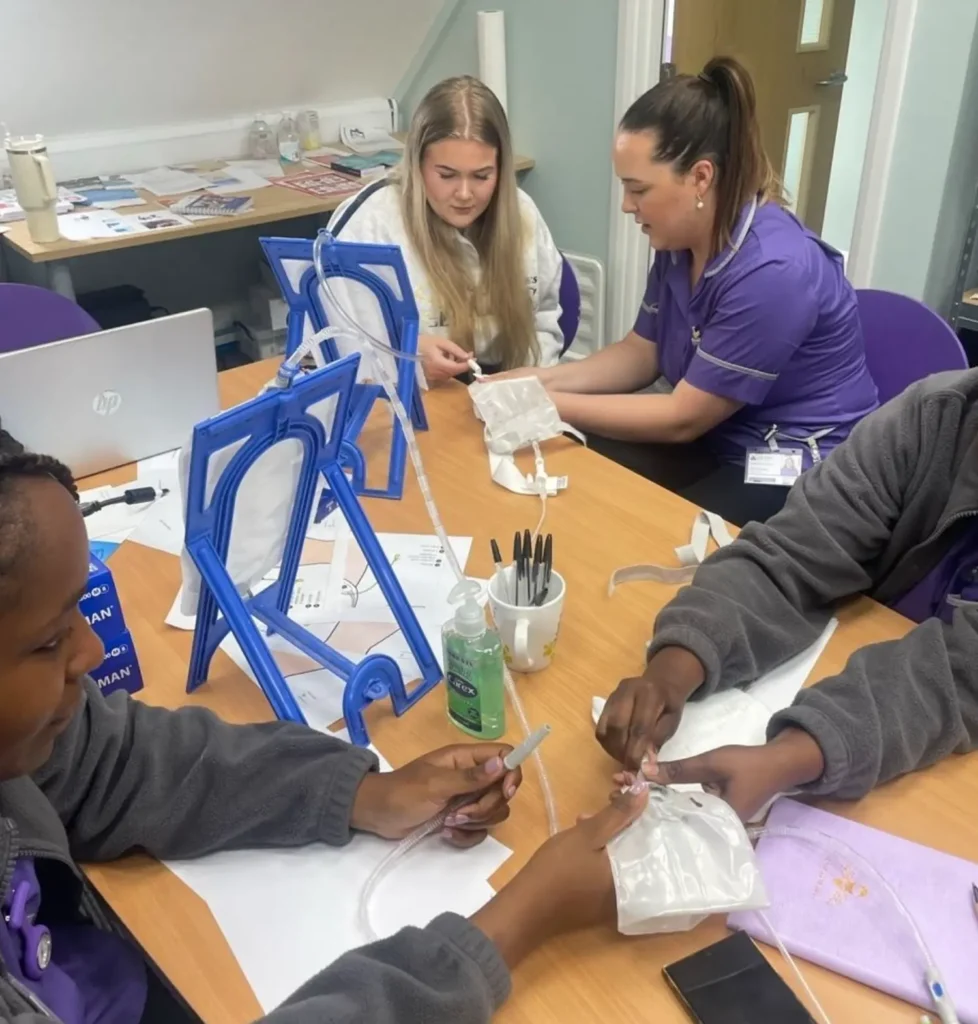
The training then helps you understand the role properly. That may include online training, paid induction, funded study and guidance from a care manager or senior team member as you settle in.
What You Might Learn In The Role
A Care Practitioner role can be varied. Some visits are very practical. Others are more about reassurance, companionship or helping someone keep a normal rhythm to their day.
Training may support you with areas such as:
- Personal care, including washing, dressing and continence support
- Medication administration
- Nutrition and hydration
- Moving safely around the home
- Light household tasks
- Respite care
- Supporting social interaction
- Using an electronic care management system
- Spotting changes in someone’s wellbeing
- Working as part of wider care teams
None of this should be rushed. The best care workers are not the ones who act like they know everything from day one. They are the ones who listen, learn, ask sensible questions and take the work seriously.
A Route Into Something Bigger
For some people, home care becomes a long-term career. For others, it becomes a first step into wider health and social care.
The story of Lois Cruttenden is a good example of that. She started with Elite Choice Home Care at 16, completed Health and Social Care qualifications, moved into a Team Leader role and later became Assistant Care Manager.
Most notably, Lois’ career path shows what care work can become. It is not a flat role with nowhere to go, as with the right support, training courses and experience, care workers can move into senior positions, management, coordination, training or other areas of social care.
Elite Choice Home Care also offers a Senior Care Practitioner rate for those holding a Level 3 Health and Social Care qualification, which gives experienced staff a clearer next step.
You can read more about Lois’ story here.
What Makes A Good Home Care Employer?
When you are comparing home care jobs, pay matters, as do hours. But support matters too.
Elite Choice Home Care offers guaranteed hours contracts, full or part time depending on availability, along with paid travel time, paid mileage, paid training, funded study, a pension, health cash plan, employee assistance programme, enhanced holiday allowance and a salary sacrifice car scheme.
The paid mileage and travel time in particular is worth highlighting. Many home care companies do not pay their employees for travel time and costs. This means that while they may on the surface offer a slightly higher hourly wage, their effective hourly rate ends up being far lower due to the hours of unpaid travel time to go between clients.
We also offer a refer-a-friend scheme, and our staff are more than happy to bring people they trust into the team.
Work hours can include weekdays, evenings, alternate weekends and waking night sits, so it is worth being clear about your availability when applying. Bank holiday work may also be part of care, as people still need support every day of the year.
Is Home Care Right For You?
Home care is not for everyone. It asks for patience, consistency and emotional steadiness. It also asks you to respect the small details of someone’s life.
That said, if you like practical work, enjoy helping people and want a role where training and career progression are available, it is a really strong career opportunity.
To apply or find out more about home care jobs with Elite Choice Home Care, call 01273 840625, or email admin@elitechoicehomecare.co.uk.

FAQs
What home care training do new care workers get?
New care workers usually receive induction training, online training and practical support before working independently. Home care training often covers safeguarding, health and safety, personal care, medication, communication, moving safely, record keeping and person centred care.
Can I apply for home care jobs with no experience?
Yes, many home care jobs are open to people without previous care experience. Employers will usually look for reliability, kindness, good communication and a willingness to learn. Qualifications can help, but they are not always essential for entry-level care work.
What does a Care Practitioner do in home care?
A Care Practitioner supports people in their own homes with day-to-day living. This can include washing, dressing, continence care, meals, medication, companionship, light household tasks, respite care and keeping accurate notes through a care management system.
Are home care jobs near me usually full-time or part-time?
Home care jobs can often be full-time or part-time, depending on the provider and your availability. Elite Choice Home Care offers guaranteed hours contracts based on availability, which can give more stability than casual or zero-hour work.
Do you need a car for domiciliary care jobs?
For a home care job, you do need a full UK driving licence and access to your own vehicle in order to travel between clients’ homes during the day. Some employers, including Elite Choice Home Care, pay travel time and mileage.
Is home care training paid?
Some home care providers pay for training and induction. Elite Choice Home Care offers paid training, paid induction and funded study, which helps new Care Practitioners build their skills without having to fund everything themselves.
Can home care lead to a career in social care?
Yes, home care can lead to a wider career in social care. Care workers may progress into senior care roles, team leader positions, coordination, training, care management or further Health and Social Care qualifications.
What qualifications help with home care jobs?
A Care Certificate, Level 2 Diploma or Level 3 Health and Social Care qualification can all be useful. However, many people start home care work without formal qualifications and complete training once they are in post.
What should I ask before applying for a home care job?
It is worth asking about paid training, travel time, mileage, guaranteed hours, weekend expectations, bank holiday work, career progression and what support is available from the care manager or wider team.
Is home care a good job if I want flexible work hours?
Home care can offer flexible work hours, especially because visits are needed at different times of day. Roles may include mornings, evenings, alternate weekends or waking night sits. The key is finding a working pattern that suits both you and the care provider.


