If you receive support from several health and social care services, it can sometimes feel as though you are dealing with a collection of separate organisations. Your GP may know one part of your situation, the hospital another, while your home care team sees how you are managing from day to day.
Integrated care is intended to connect those different parts. It has become an important part of the government’s plans for moving more care out of hospitals and into communities, but what should it actually mean for someone receiving care at home?
A Quick Summary
Integrated care means health services, councils, social care providers and other relevant organisations working together around the needs of the individual. For someone receiving home care, this should mean better communication, fewer gaps between services and earlier action when their health or circumstances change.
What Is Integrated Care?
In plain English, integrated care means that the people involved in your health and wellbeing communicate and coordinate their work.
That may include your GP, hospital teams, district nurses, mental health services and a home care provider. Depending on your circumstances, voluntary organisations, occupational therapists or your local council may also be involved.
Integrated services should share relevant information appropriately, understand what other professionals are doing and work towards an agreed plan. You should not be left trying to explain your entire situation again whenever a different service becomes involved.
What Is an Integrated Care System?
An integrated care system, usually shortened to ICS, is the formal local partnership that helps different organisations plan and deliver care together.
There are currently 36 care systems in England. Each brings NHS organisations together with local authorities, social care providers and other partners. The NHS explanation of integrated care says these systems are intended to improve outcomes, support prevention and reduce inequalities in access to care.
That is the organisational explanation. For service users, the more important question is whether professionals working across different services are genuinely communicating.
What Should Integrated Care Look Like at Home?
Imagine that a care practitioner notices a client has become unusually tired, is struggling more when moving around the house or seems confused. Those changes may be significant, particularly for someone living with long-term health issues.
Good integrated care means there is a clear process for recording those concerns and passing them to the appropriate person. The home care provider may speak to the family or contact another professional in line with the client’s care plan and consent. The information can then inform a clinical assessment or a change in support.
This does not mean that every organisation has unrestricted access to somebody’s records. Information still needs to be handled lawfully and shared for an appropriate reason. Integration is about making communication work properly, rather than assuming everyone automatically knows what is happening.
Why Home Care Providers Need to Be Included
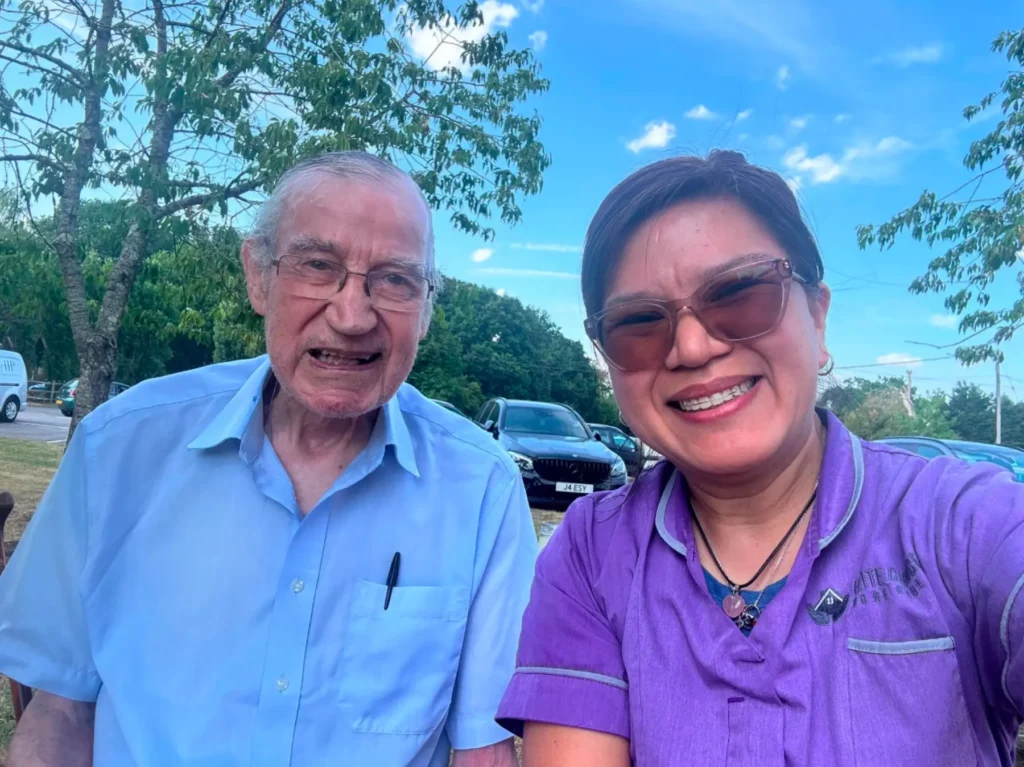
People working in hospitals or GP practices may only see someone occasionally. A home care team often has a different view because regular visits show how the person is managing in their usual surroundings.
Care practitioners may notice changes in someone’s appetite, mobility, personal care or general health and wellbeing. They can also see whether a new care arrangement is working once someone returns from hospital.
This makes domiciliary care an important part of integrated health and social care services. When home care providers are excluded from conversations, useful information can be missed and families may end up acting as the link between separate care organisations.
Why Is Integrated Care So Topical?
The government’s 10 Year Health Plan for England identifies moving care from hospitals into communities and shifting from sickness to prevention as two major priorities.
Neither can happen successfully without integration. Supporting more people at home requires proper communication between clinical services and social care. Prevention also depends on recognising concerns before they become emergencies.
Locally, the Sussex Integrated Care Strategy is focused on helping people live healthier lives for longer and improving access to care across the area. For communities including Hassocks, Hurstpierpoint, Burgess Hill, Henfield and Haywards Heath, the test will be whether these plans lead to a more connected experience for people using services.
What Difference Could It Make to You?
Effective integrated care should make support easier to understand and reduce the risk of important information being lost between services. It can also help people remain independent at home by allowing concerns to be addressed earlier.
There will still be different organisations involved, each with its own responsibilities. The aim is for those organisations to deliver care around the person, with a shared understanding of what matters to them.
At Elite Choice Home Care, we provide flexible home care across Mid Sussex and work with clients, families and other professionals to support each person’s individual needs.
To discuss home care for yourself or a relative, contact our team:
✉️ admin@elitechoicehomecare.co.uk
Frequently Asked Questions
What is integrated care?
Integrated care is an approach in which health services, social care providers, councils and other relevant organisations work together around a person’s needs. The aim is to improve communication and reduce gaps between different services.
Is integrated care the same as social care?
No. Social care is one part of integrated care. An integrated approach may bring together home care providers, GPs, hospitals, mental health teams, local authorities and voluntary organisations.
What is an integrated care system?
An integrated care system, or ICS, is a local partnership of organisations responsible for planning and improving health and social care services. Care systems develop shared priorities based on the needs of people in their area.
Who is responsible for integrated care in England?
Each integrated care system includes an integrated care board, which plans local NHS services, and an integrated care partnership. The partnership produces a broader integrated care strategy with local authorities and other organisations.
What does integrated care mean for someone receiving home care?
It should mean that relevant professionals understand the person’s needs and know what other services are providing. If a home care practitioner notices an important change, there should be an appropriate way to record it and pass it on.
Does integrated care mean all my information will be shared?
No. Health and care organisations must still follow confidentiality and data protection requirements. Relevant information may be shared when there is a lawful reason and it is necessary to deliver care safely.
How can integrated care help someone with a long-term condition?
Someone with a long-term condition may receive support from several services. Better communication can help those services respond to changes and understand how different health issues or treatments affect the person’s daily life.
Does integrated care include mental health services?
Yes. Mental health services can be involved, particularly when someone’s mental and physical health needs are connected. Integrated care should consider the person’s overall health and wellbeing rather than dealing with each issue separately.
Can integrated care help prevent hospital admissions?
It can help in some circumstances. Regular contact at home may allow changes to be noticed earlier and passed to the appropriate professional. This can support earlier assessment or treatment, although it cannot prevent every hospital admission.
What should I do if different care services are not communicating?
Ask who is responsible for coordinating the person’s care and whether there is a current care plan. You can also ask what information has been shared and who should be contacted when the person’s needs change.


