
Home Care vs Nursing Home Care
Your mum might be quite happy spending the afternoon at home, but you’re going over every evening because she needs help getting ready for bed. If you’re wondering whether it’s time to look at care homes, start with what happens after you leave. Does she manage until morning, or is she likely to need someone again in the night? The answer gives you a better idea of what kind of care to look for.
A quick summary
Home care brings help into someone’s own home at agreed times. A residential care home provides a place to live, with staff on hand day and night for personal care and daily activities. A nursing home also has registered nurses on duty around the clock. What works best depends on the person’s care requirements and how reliably those needs can be met.
Home care vs care home support
Visiting care can work well when someone needs help at particular times. If mornings are difficult, a care practitioner could help them wash and dress, make breakfast and leave them to spend the rest of the morning as they choose. They can keep familiar surroundings and routines, right down to when they like to have lunch or see friends.
Residential care homes offer accommodation, meals and help with everyday tasks. Staff are there overnight, which can matter if someone regularly needs help between visits. Ask about social activities too. If your dad likes company but rarely gets out, it’s worth finding out how residents spend an ordinary afternoon and whether he’d enjoy joining in.
When might nursing care be needed?
A nursing home provides personal care as well as nursing care. If your relative has medical conditions that require frequent or unpredictable nursing support, ask their healthcare team whether they need a nurse available at all hours. Some nursing needs can be met by community services visiting at home. Ask who would provide that care and what would happen if your relative needed help outside a planned visit. NHS guide to residential and nursing homes.
If your family member is living with dementia, ask what their difficulties look like over a whole day. Someone who needs a prompt to eat lunch may be able to stay at home with visits. If they’re frequently distressed at night, ask their care team to review what support they need then. A dementia diagnosis on its own tells you very little about which level of care will suit them.
Live-in care vs care home living
With live-in care, a carer lives in the person’s home and provides support according to an agreed care plan. Ask what happens during the carer’s breaks and whether overnight support is included. If someone regularly needs help throughout the night, there may need to be a separate night carer or a rota. Get the provider to explain exactly what they mean by 24-hour care before comparing it with a care home fee.
At Elite Choice Home Care, we provide scheduled home visits and waking night sits. During a waking night sit, a care practitioner stays awake in your home for the agreed hours. See our home care services.
How to decide what would work for your family
Ask your relative what they’d like to keep doing and what would make life easier. If they’re considering moving into a care home, ask which home would make it easiest for friends to visit. That can make a difference to their quality of life.
Then look at who’s available to help over a typical week. If the plan depends on you or another relative being there every night, work out who would cover when you’re away. When you get quotes, compare the full weekly cost, including any overnight cover at home or extras charged by the care home.
If you’re in Haywards Heath, Burgess Hill, Hassocks or Hurstpierpoint, you can ask West Sussex County Council for a free care needs assessment. It can help you work out what support is needed and what the council may be able to help with. West Sussex adult social care and assessments.
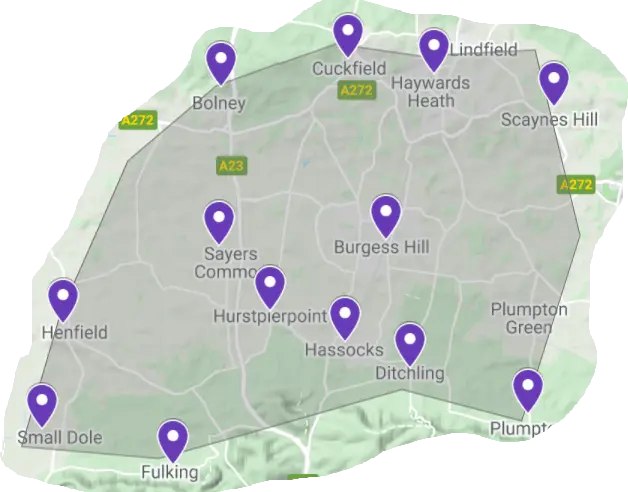
Talk to us about home care in Mid Sussex
If you’re considering home care, tell us where your relative is finding things difficult and when they need someone there. We can talk through what we could cover with visits or overnight support. Get in touch with our team.
✉️ admin@elitechoicehomecare.co.uk
Frequently asked questions
What’s the main difference between home care and a nursing home?
With home care, a care practitioner visits you in your own home at agreed times. In a nursing home, you live there and have access to personal care and registered nurses on duty day and night.
What’s the difference between a residential care home and a nursing home?
A residential care home provides accommodation and help with daily activities such as washing and dressing. A nursing home also provides nursing care from registered nurses. Some care homes offer both residential and nursing places.
Can I receive nursing care while living at home?
Depending on your needs, community nursing services may be able to provide some nursing care at home. Ask your GP or healthcare team who can provide it, how often they can visit and who to contact between visits.
Is live-in care the same as 24-hour care?
A live-in carer lives in your home and works agreed hours, with breaks and time to rest. If you need someone awake and available around the clock, ask how the provider would staff that arrangement and what it would cost.
Can someone living with dementia stay at home?
Yes, if their needs can be met there. Think through when they need help, how they manage between visits and who can respond if their needs change. A care needs assessment can help you look at the options.
Can I start with home care and move into a care home later?
Yes. Some people start with home visits and review the arrangement as their needs change. If you’re regularly having to fill gaps in the care plan, ask for a review so you can look at what extra support would be needed.
Is home care cheaper than a care home?
It depends on the number and length of visits, whether overnight help is needed and what the care home includes in its fees. Ask for a weekly breakdown based on the support you’d actually use.
What should I ask when visiting a nursing home?
Ask whether the home can meet the person’s specific nursing needs, who’s on duty overnight and what happens if their needs increase. It’s also worth asking what’s included in the fee and looking at the home’s latest CQC report.
Can the NHS help pay for nursing home care?
Some people qualify for NHS continuing healthcare. People assessed as needing nursing care in a nursing home who are ineligible for continuing healthcare may qualify for a contribution towards the nursing element of their fees. NHS-funded nursing care.
Do I need to wait for a council assessment before arranging private home care?
You can approach a home care provider directly if you’re paying privately. You can also ask the council for a free care needs assessment to help you understand what support might be suitable.


