How Community Care Software Helps Us Notice Health Changes Earlier
When families start looking for home care, they are usually thinking about the immediate situation, and what help someone needs now. They may also wonder what happens if that person becomes unwell between GP appointments, or if a gradual change is easy to miss.
Over time, our Care Practitioners get to know a client’s normal routines, appetite, mood and mobility. Elite Choice Home Care is introducing Feebris to give our team another useful source of information when a client’s health needs closer attention.
A Quick Summary
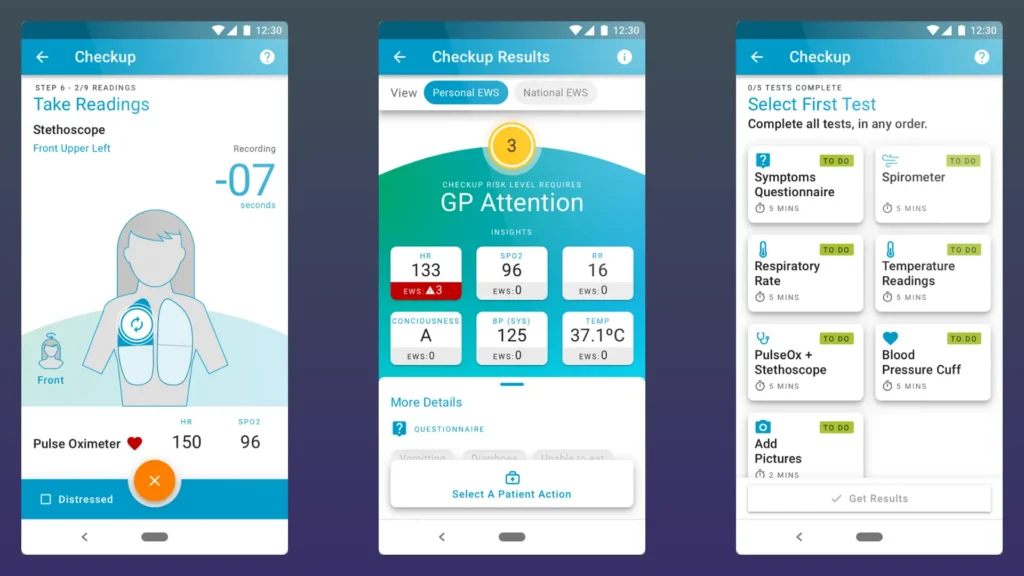
Feebris is community care software that helps trained care workers carry out guided health checks and record observations such as blood pressure, pulse, oxygen levels and temperature. The results can support clearer conversations with healthcare professionals. It does not replace a GP, nurse or emergency service, and it will only be used where appropriate for the person receiving care.
What Is Feebris?
Feebris combines a mobile app, connected monitoring equipment and a secure online portal. During an agreed check, a trained member of the care team can follow the steps in the app and collect relevant measurements using equipment such as a blood pressure cuff or pulse oximeter.
The software brings the readings together so they can be reviewed properly. It can also help the team recognise when a result may need to be escalated for clinical advice.
This does not mean that every care visit becomes a health assessment. How often checks take place and which observations are relevant will depend on the client’s needs and agreed care arrangements.
Why Health Observations Can Be Useful At Home
Health is complex and fluid, and people do not always become obviously unwell all at once. A Care Practitioner may notice that someone is unusually tired, less steady, eating less or struggling more with their breathing. These “soft signs” matter, but they can be difficult to explain over the phone without further information.
A set of accurate observations can make that conversation more useful. The Care Quality Commission lists oxygen saturation, pulse, respiratory rate, blood pressure and temperature among the vital signs used to help identify deterioration. Its guidance on monitoring vital signs outside GP practices also explains that community teams use this information to support people living at home.
Feebris gives our care team a structured way to collect and communicate that information. A healthcare professional still decides whether further assessment or treatment is needed.
What Happens If A Reading Causes Concern?
The next step depends on the result, the person’s usual baseline, their symptoms and the escalation plan in place.
A Care Practitioner may contact the office, speak to an appropriate healthcare professional or follow urgent procedures. Feebris supports that process by keeping the observations clear and available for review. It does not diagnose illness, and should never delay a 999 call when someone needs emergency help.
Useful community care software should support good judgement and communication, rather than encourage people to rely on an app instead of clinical advice.
Who May Benefit From This Approach?
Feebris may be useful for clients whose health needs regular attention, including some people living with respiratory conditions, high blood pressure or other long-term illnesses. It may also help after a hospital stay, when families are alert to any sign that recovery is not going as planned.
The main benefit is better information. Rather than simply saying that someone “does not seem quite right”, the care team may be able to explain what they have noticed alongside recent observations. That can help a GP, nurse or other healthcare professional understand the situation more quickly.
For families, it provides reassurance that changes are being noticed and recorded carefully. It cannot guarantee that illness or hospital admission will be prevented, but it can support an earlier, more informed response.
Technology That Fits Around The Person
Home care still depends on trust, consistency and knowing the person in front of you. No software can tell us how someone usually takes their tea, whether they are quieter than normal or what helps them feel comfortable during personal care.
Feebris sits alongside that knowledge. It gives trained Care Practitioners a practical tool when health observations would add something useful to the support being provided.
To discuss home care for yourself or a family member, or to ask how Feebris may be used within an individual care plan, call Elite Choice Home Care on 01273 840625 or email admin@elitechoicehomecare.co.uk.
FAQs
What is community care software?
Community care software is technology used to support care delivered outside hospitals and clinics. Depending on the system, it may help with care records, communication, health observations, scheduling or sharing information with authorised professionals.
What is Feebris used for in home care?
Feebris supports guided health checks in the home and helps care teams record relevant observations clearly. The information can then support escalation and clinical review where needed.
What health observations can Feebris record?
Feebris can connect with equipment used to take measurements such as blood pressure, pulse, oxygen saturation and temperature. The checks carried out for an individual client will depend on their needs, care arrangements and the equipment available.
Does Feebris diagnose health conditions?
No. Feebris can organise observations, support risk assessment and help indicate when further advice may be needed, but a qualified healthcare professional is responsible for diagnosis and treatment.
Does Feebris replace a GP or district nurse?
No. Feebris is designed to support communication with healthcare professionals, not replace them. Clients should continue to attend appointments, follow medical advice and seek help in the usual way.
Will community care software be used during every care visit?
Not necessarily. Its use should be based on the client’s individual needs and agreed care plan, rather than carried out automatically at every visit.
How can Feebris help family members?
It can provide reassurance that relevant changes are being recorded carefully and communicated through an agreed process. Families should speak to the care team about how monitoring will work for their relative and what information can be shared.
Can Feebris support someone with a long-term condition?
It may be useful for some people living with conditions that benefit from regular observation, including high blood pressure or respiratory illness. It does not replace condition reviews, medication advice or treatment from the person’s clinical team.
What happens if a Feebris reading is unusual?
The care team will consider the reading alongside the client’s symptoms, usual baseline and escalation plan. This may lead to contact with the office, a GP, community nurse, NHS 111 or emergency services, depending on the situation.
Is Feebris safe to use at home?
Safe use depends on trained staff, suitable equipment, clear escalation procedures and appropriate consent. Elite Choice Home Care will use the system as a support tool within the client’s wider care arrangements.


